
06 Feb Meta Ads in 2026: How Andromeda Changed Ad Strategy
Say Goodbye to Manual Targeting
With the new algorithm update, Meta ads in 2026 no longer follow the rules most businesses relied on for years. Meta introduced Andromeda, a new ad delivery system which shifts control away from manual targeting and places performance directly in the hands of creative, data, and conversion signals. This update reshapes how campaigns perform and how businesses should structure their advertising strategies.
For a long time, running Meta ads meant building complex audience stacks. Marketers layered interests, behaviors, demographics, and lookalike audiences, then split budgets across multiple ad sets. Performance depended heavily on selecting the right targeting combinations. Results often came slowly, budgets scattered across audiences, and learning cycles stretched longer than necessary.
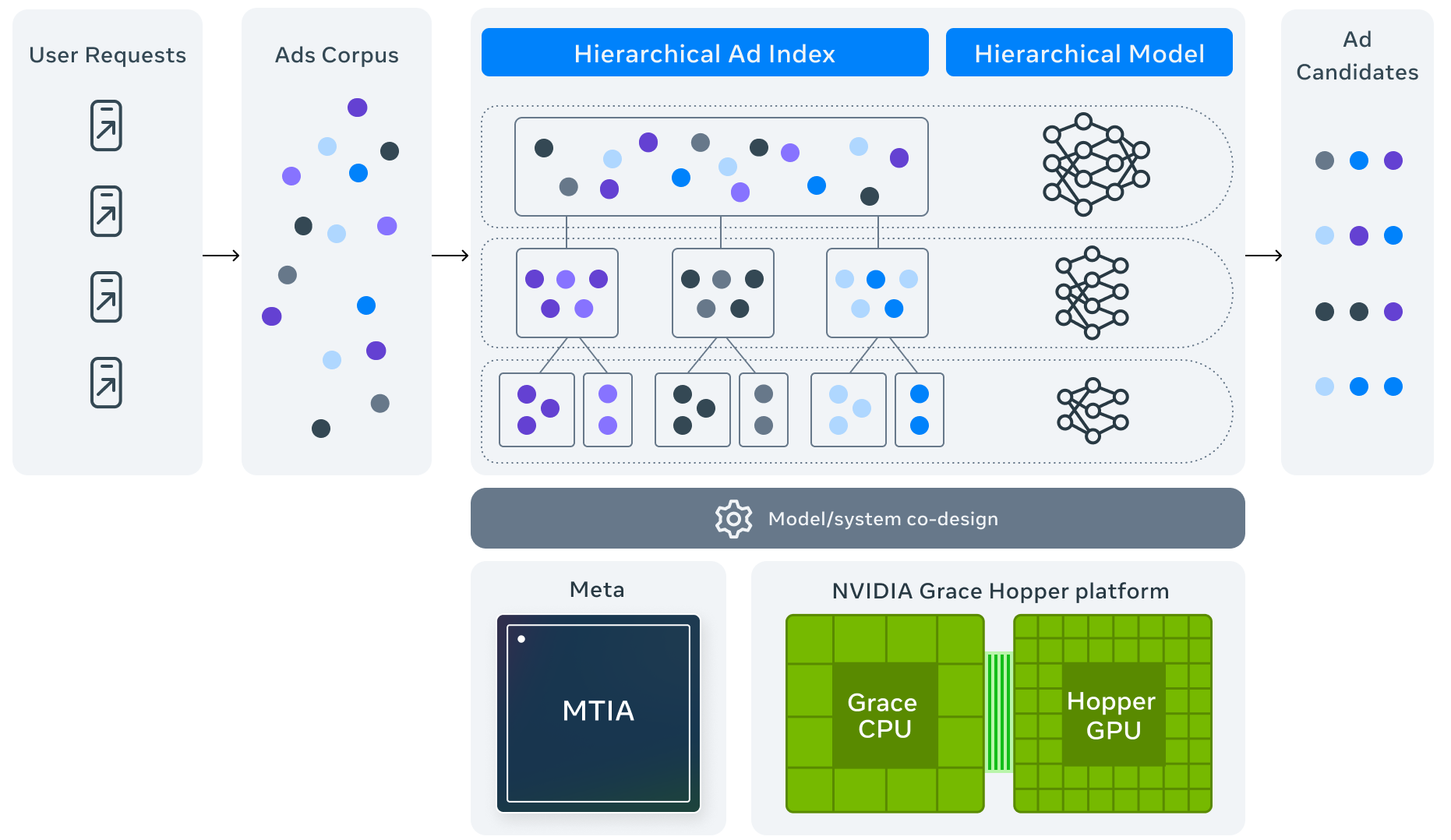
Andromeda changes this structure completely. Instead of advertisers deciding who should see an ad, Meta now determines delivery based on how users react to creative, messaging, and conversion events. The algorithm learns from engagement, purchases, form fills, and browsing behavior, then automatically finds similar people who match those signals. Creative quality and data clarity now drive results, while audience selection plays a minimal role.
This shift changes how businesses experience ad performance. Strong creative paired with clean tracking leads to faster optimization and stronger returns. Weak messaging, unclear offers, and broken conversion paths result in higher costs and wasted spend. Testing speed becomes a core advantage, since rapid creative iteration trains the system faster and improves delivery efficiency.
How to Do Meta Ads in 2026
Before Andromeda, a typical campaign structure looked complex. One campaign contained multiple ad sets, each built around different interest groups, lookalikes, or behavioral layers. Creatives remained mostly the same across audiences. Budgets split across several segments, slowing down data accumulation and delaying optimization. This approach often created fragmented performance insights and unpredictable scaling.
Modern campaign structures simplify dramatically. One broad ad set replaces multiple audience-based sets. Targeting uses only basic filters such as location, age range, and necessary exclusions. Inside this ad set, multiple creative angles compete. Video ads focusing on problem awareness, direct offers, testimonials, and demonstrations rotate continuously. Performance optimization shifts from audience testing to creative testing, allowing the algorithm to allocate spend toward high-performing messaging faster.
This approach aligns directly with how Meta ads in 2026 function. Meta rewards accounts which supply strong conversion signals and consistent creative experimentation. Campaigns learn faster, scale smoother, and stabilize quicker. Data flows cleanly into the system, producing clearer performance patterns and lower cost volatility.
For business owners, this evolution changes the role of advertising teams. Results no longer depend on knowing how to stack interests or build layered audiences. Success depends on building systems which support creative production, structured testing, accurate tracking, and disciplined optimization. Without those systems, ad budgets lose efficiency and scalability.
For in-house teams, execution complexity increases. Creative strategy, data accuracy, campaign structure, and optimization workflows demand constant refinement. Daily performance monitoring and frequent creative iteration become essential. Without deep platform expertise and dedicated resources, maintaining consistent returns becomes increasingly difficult.
This environment favors agencies built around performance strategy, creative testing frameworks, and conversion-focused execution. Agencies equipped with these systems deliver stronger efficiency, faster learning cycles, and clearer growth pathways. Businesses working with partners aligned to this model protect their budgets while accelerating performance.
The Andromeda update marks a fundamental shift in paid media strategy. Brands which adapt early gain lasting advantages. Brands relying on outdated audience targeting models fall behind.
Meta ads in 2026 reward disciplined systems, strong creative intelligence, and continuous optimization. For businesses treating paid media as a serious growth engine, aligning strategy with this new framework defines long-term success. Work with us to maximize your ad reach and conversions with our Meta Ads Management service today!
No Comments